You should bleed a radiator if it is hot at the bottom but cold at the top, makes gurgling noises or takes a long time to heat up. To bleed a radiator, turn the heating off, open the bleed valve carefully with a radiator key until air stops hissing and water runs smoothly, then close the valve and re-check your boiler pressure. In this article, you will learn everything you need to know about bleeding radiators and receive practical step-by-step instructions.
Tempo di lettura:
8 mins
Indice:
•
Why bleeding radiators saves energy
Bleeding a radiator is a simple maintenance job that keeps your home comfortably warm and saves you money on your heating bill. When air gets trapped in your radiators, your boiler wastes energy pushing hot water against air pockets instead of heating your rooms efficiently. A properly maintained heating system combined with smart controls can reduce your heating costs significantly. Regular bleeding is one of the simplest ways to maintain that efficiency.
What is radiator bleeding?
Radiators are designed to heat the air through both radiation and convection, similar to the way an open fire or stove warms a room. Over time, air can enter the central heating system, rise to the tops of radiators and form bubbles, especially in systems with long pipe runs and radiators far from the boiler. When this air gets trapped, you may hear gurgling or clucking sounds and notice that parts of the radiator stay cold. Trapped air prevents the radiator from heating the air properly and can even contribute to oxidation inside pipes and radiators over time.
If your radiator regularly fails to reach its target temperature, even though it is set correctly on your thermostat or tado° app, trapped air is a likely cause. It is a common problem in unvented heating systems.
When to bleed a radiator
You do not need to bleed radiators on a fixed schedule only; your heating system usually shows clear signs.
Signs you need to bleed your radiators
The radiator is hot at the bottom and cold at the top: This is the classic indicator of trapped air. The hot water cannot circulate properly, so it stays at the bottom while air fills the top.
Gurgling, clucking or rattling sounds: When the heating is on, these noises indicate air moving through the system and getting trapped in radiators.
One radiator is not heating up properly: If all other radiators work fine but one stays cold or takes a very long time to warm up, trapped air is often the culprit.
Cold spots on the radiator surface: Even after the heating has been on for a while, you can feel distinct cold patches on the radiator, usually at the top or on one side.
Radiator hot at top, cold at bottom?
If the top of a radiator stays cold while the bottom gets hot, air is usually trapped at the top and you should bleed the radiator. If the opposite happens, hot at the top but cold at the bottom, sludge (corrosion debris) is more likely the cause and a professional flush may be needed, especially if one radiator remains cold even after you have checked the valves on both sides and bled it correctly.
Preventive bleeding
Preventive bleeding is important to help avoid any major problems in the radiator. It is essential to bleed the radiator once a year, ideally before the start of the cold season. This should be a component of the yearly heating maintenance schedule.
You can bleed the radiators one by one. Start from the ground floor and work your way up through your home. But, it depends upon the configuration of the heating system. If you find yourself having to bleed or refill your heating system more frequently, there could be a leak somewhere. You should contact a professional to identify if there is a leak.
Tools you need to bleed a radiator
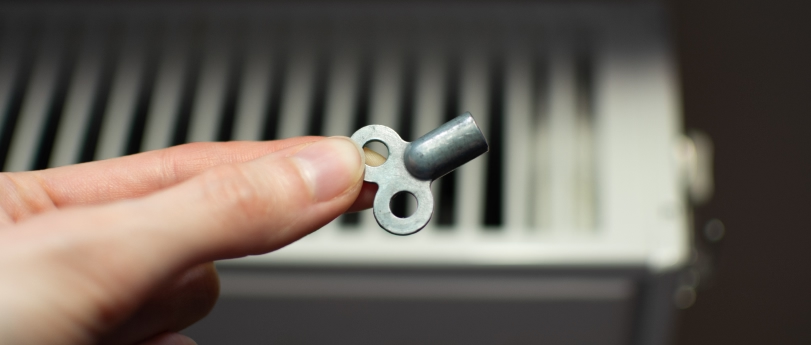
Radiator bleed key: To open the radiator vent valve; you can find these in any hardware store. Some modern radiators have a slot for a flat-head screwdriver instead of a square pin.
An old cloth or towel: To collect drips and protect flooring or carpets from discoloured water.
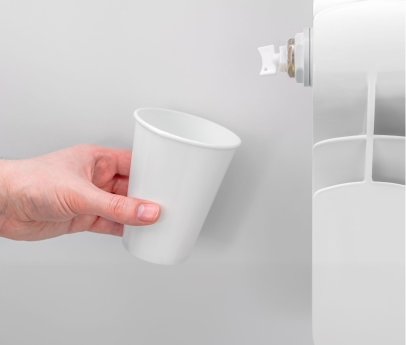
A small container: To catch water jets from modern bleed valves.
Gloves: Especially if radiators are still warm.
Radiator bleed key
Step-by-step: how to bleed a radiator
Step 1: Switch on the heating and check radiators
Turn your heating on and allow all radiators to warm up; this creates pressure in the system and makes cold spots easier to detect. Walk through your home and feel each radiator from top to bottom to see where heat is uneven.
tado° tip
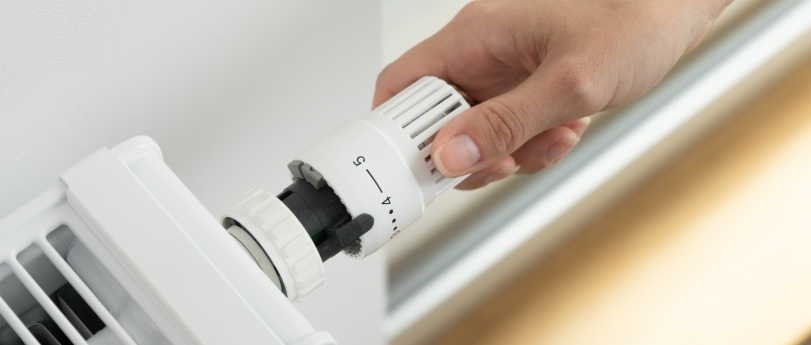
If you have tado° Smart Radiator Thermostats, you can use Quick Actions in the tado° app to turn on all Smart Radiator Thermostats in your home at the same time. No need to waste time manually switching them on one by one.
Step 2: Identify which radiators require bleeding
Make a list of radiators that are cold at the top, make gurgling sounds or heat up more slowly than others. Depending on your heating system configuration, start with radiators on the ground floor and work your way up, or follow the advice from your installer. You can also check the tado° app to see if any rooms consistently fail to reach their target temperature. This can be a sign of trapped air.
Step 3: Switch off the central heating system
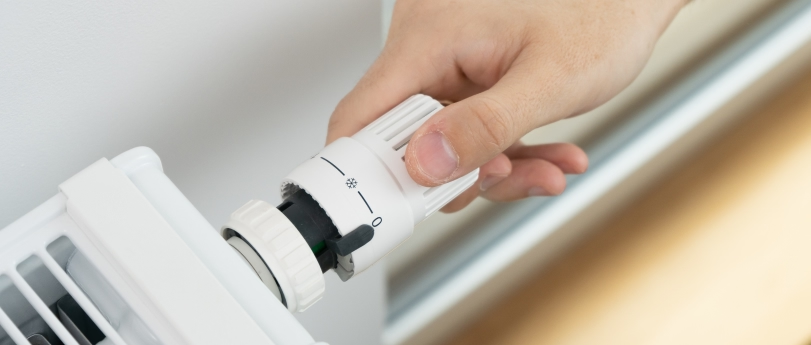
Turn off the central heating before you start bleeding radiators to avoid scalding and to prevent the pump from drawing more air into the system. Allow radiators to cool slightly so they are warm rather than very hot to the touch.
tado° tip
If you have tado° devices, use Quick Actions in the app to switch them all off at once.
Step 4: Set up the area
Place a towel on the floor beneath the bleed valve and hold a cloth or container under the valve to catch any water. Radiator water may be dark due to corrosion products, so it is best to protect carpets and flooring in advance.
Step 5: Open the radiator bleeding valve
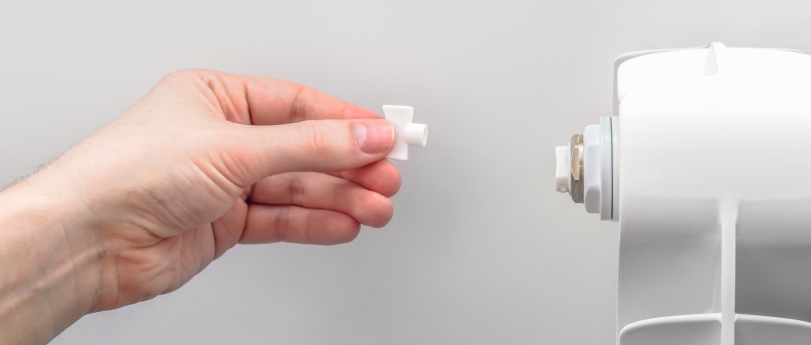
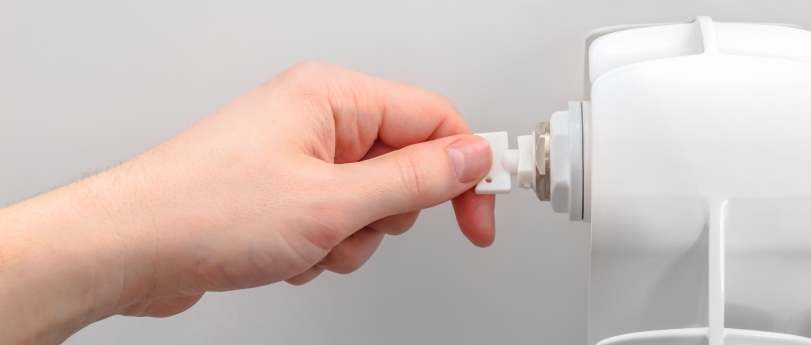
Remove any valve cover and locate the bleed valve at the top of the radiator, usually on one side. It often appears as a small square pin inside a round hole, but the exact design depends on your radiator model.
Put the radiator key onto the bleed valve and turn it slowly anti-clockwise until you hear a hissing sound as air escapes. A quarter to half turn is usually enough; never open the valve completely, as this can cause a strong water jet. Keep a safe distance from the escaping air, it may be hot.
Step 6: Bleed the radiator
Continue holding the key while air escapes; you will hear hissing until the trapped air is gone. When only water drips or flows steadily from the valve, the bleeding process is complete.
Turn the bleed valve clockwise to close it, taking care not to over-tighten.
On some modern radiators, water may be released as a thin jet, so be ready to close the valve quickly.
Step 7: Repeat the procedure on all radiators
Repeat the bleeding process for each radiator on your list, moving through your home in a logical sequence. Because air rises through the system, many installers recommend starting on lower floors and then moving up, but always follow your system’s specific guidance.
Step 8: Check the pressure of your heating system
After bleeding all radiators, check the pressure gauge on your boiler. When you bleed a heating system, some water is lost, and if the pressure drops too low, the system may struggle to heat the top floors or may shut down.
For accurate system water pressure, the needle should usually be in the green area of the gauge, often around 1.0–1.5 bar for a typical family home when cold. If you need to re-pressurise, use the filling loop as described in your boiler manual or in this British Gas guide on boiler pressure.
How to bleed a radiator without a key
Radiator bleed valves come in different shapes. Some look like square nuts that need a traditional radiator key, while others have a slot for a flat-head screwdriver or a recess for an Allen key.
If you lose your original key, you can:
Buy a replacement radiator key from a DIY or hardware store.
Use a flat-head screwdriver on modern radiators with slotted bleed screws.
Use a correctly sized spanner or socket wrench on older square-headed plugs, if recommended by the manufacturer.
Even without the original key, always turn off the heating first, protect the area with towels and only open the valve slightly to stay in control of the flow.
Manual vs smart control when bleeding radiators
This table shows how smart controls remove the guesswork from bleeding radiators. You can spot problems faster, test results more accurately and maintain your system throughout the heating season.
Aspect
Traditional controls
With tado°
Turning heating on/off
Adjust boiler or wall thermostat manually for each test run
Use Quick Actions in the tado° app to heat or shut down all radiators at once with one tap
Finding problem radiators
Walk room to room, rely on touch and noise only
See which rooms regularly miss their target temperature in the tado° app
After-bleeding temperature test
Manually reset each thermostat and wait to feel results
Set room-by-room temperatures and monitor behaviour remotely via the app
Ongoing control
Occasional manual checks during the season
With tado° AI Assist, you can use Care and Protect to monitor your heating system. Get notified about unusual heating behaviour and helpful guides on how to fix issues
If you want to automate your heating and spot problems early, smart controls can help. With tado°, you can:
See which rooms aren't reaching their target temperatures: A possible sign of trapped air or other issues. The app shows you exactly which radiators are underperforming.
Get alerts through Care & Protect: This feature (part of AI Assist) monitors your heating system and notifies you when it behaves unusually. You also get step-by-step guides to fix common issues.
Use Adaptive Heating: This AI Assist feature learns how your rooms heat up and cool down, then adjusts heating patterns to reduce boiler strain and minimise air circulation problems that can lead to trapped air.
Bleeding radiators is just one part of heating maintenance. Here's what else helps:
Check boiler pressure monthly: Low pressure affects heating performance, especially on upper floors. Your boiler manual shows you how to check and adjust pressure safely.
Monitor room temperatures: Rooms that consistently underperform may have issues beyond trapped air, like sludge buildup or stuck valves.
Schedule annual boiler servicing: A qualified engineer can spot issues before they become expensive. Annual servicing helps maintain efficiency and safety.
FAQs
How often should I bleed my radiators?
It is good practice to bleed radiators at least once a year, ideally before the start of the cold season, and any time you notice cold tops or gurgling sounds. If you find yourself having to bleed or refill your heating system very frequently, there may be a leak somewhere and you should contact a heating engineer.
Can you bleed a radiator when the heating is on?
No, you should always turn off the central heating and let radiators cool slightly before bleeding. Bleeding a radiator when the heating is on can be dangerous because the water may be too hot to touch and the pump can draw more air into the system. If you have tado° devices in your home, you can quickly turn off all Smart Radiator Thermostats at once in the app before you start.
How does the air get into the heating system?
Air can enter a central heating system in several ways: when fresh water is added via the expansion tank, during maintenance work, through tiny leaks or due to gas released by corrosion inside radiators and pipes. Over time, this air collects at high points in the system and forms pockets in radiators, which you then remove by bleeding.
What if my radiator is still not working properly after bleeding?
If a radiator is still not heating properly after you have bled it, check that both valves on the radiator are open and that your boiler pressure is in the correct range. If the radiator is cold at the bottom or still uneven, sludge or a stuck valve could be the cause, and a heating engineer may need to flush the system or replace components.